


You already know you’re supposed to go to the dentist regularly. But “regularly” can mean a lot of different things, and for most people, it’s somewhere between “twice a year” and “once I get around to it.”
Your ideal schedule depends on your oral health, lifestyle, and risk factors, and getting that right makes a real difference in what preventive care can actually do for you.
Here’s what dental professionals actually recommend, and how to know which schedule is right for you.
Why Are Dental Cleanings Important?
Brushing and flossing go a long way, but they can’t do everything. Plaque hides in spots your toothbrush can’t reach, and once it hardens into tartar, only a professional cleaning can remove it.
Regular cleanings help you:
- Catch cavities before they become fillings or worse
- Prevent gum disease, which is the leading cause of adult tooth loss
- Keep persistent badbreath in check (it’s often a sign of buildup, not just what you had for lunch)
- Maintain a brighter, cleaner-looking smile
- Protect your teeth from decay and early infection
Routine visits also give your dental team a chance to spot small concerns early, before they become large, expensive ones. Preventive care is almost always the more affordable path.
How Often Should You Get a Dental Cleaning?
For most people, twice a year is the right cadence. Two cleanings a year keep buildup manageable and give your dentist consistent checkpoints to monitor your oral health.
That said, some patients benefit from coming in every three to four months. You might fall into this category if you have:
- Gum disease or a history of periodontal treatment
- Diabetes or other conditions that affect oral health
- A habit of frequent cavities or heavy plaque buildup
- Dry mouth
- Current tobacco use
- Pregnancy (hormonal shifts can increase gum sensitivity and disease risk)
- Orthodontic appliances like braces create more spots for buildup to hide
Many patients in these categories don’t realize a more frequent schedule might be right for them, especially if their oral health has felt “fine” in between visits. If any of these apply to you, it’s worth bringing up at your next appointment. Your dentist can help you figure out the cadence that actually fits your life and health history.
If you’re not sure which schedule fits your needs, your dentist is the best person to ask. They’ll consider your full health picture, not just what’s happening in your mouth right now.
Signs It’s Time to Schedule a Cleaning
Your mouth is pretty good at flagging when something’s off. If you notice any of the following, don’t wait for your next scheduled visit:
- Gums that bleed when you brush or floss
- Persistent bad breath that doesn’t go away with brushing
- Increased tooth sensitivity
- Yellow or brown buildup along the gumline
- Swollen or tender gums
- A fuzzy or “coated” feeling on your teeth, even right after brushing
Addressing plaque and bacterial buildup early helps you maintain control of your oral health, preventing infections and decay before they become serious issues.
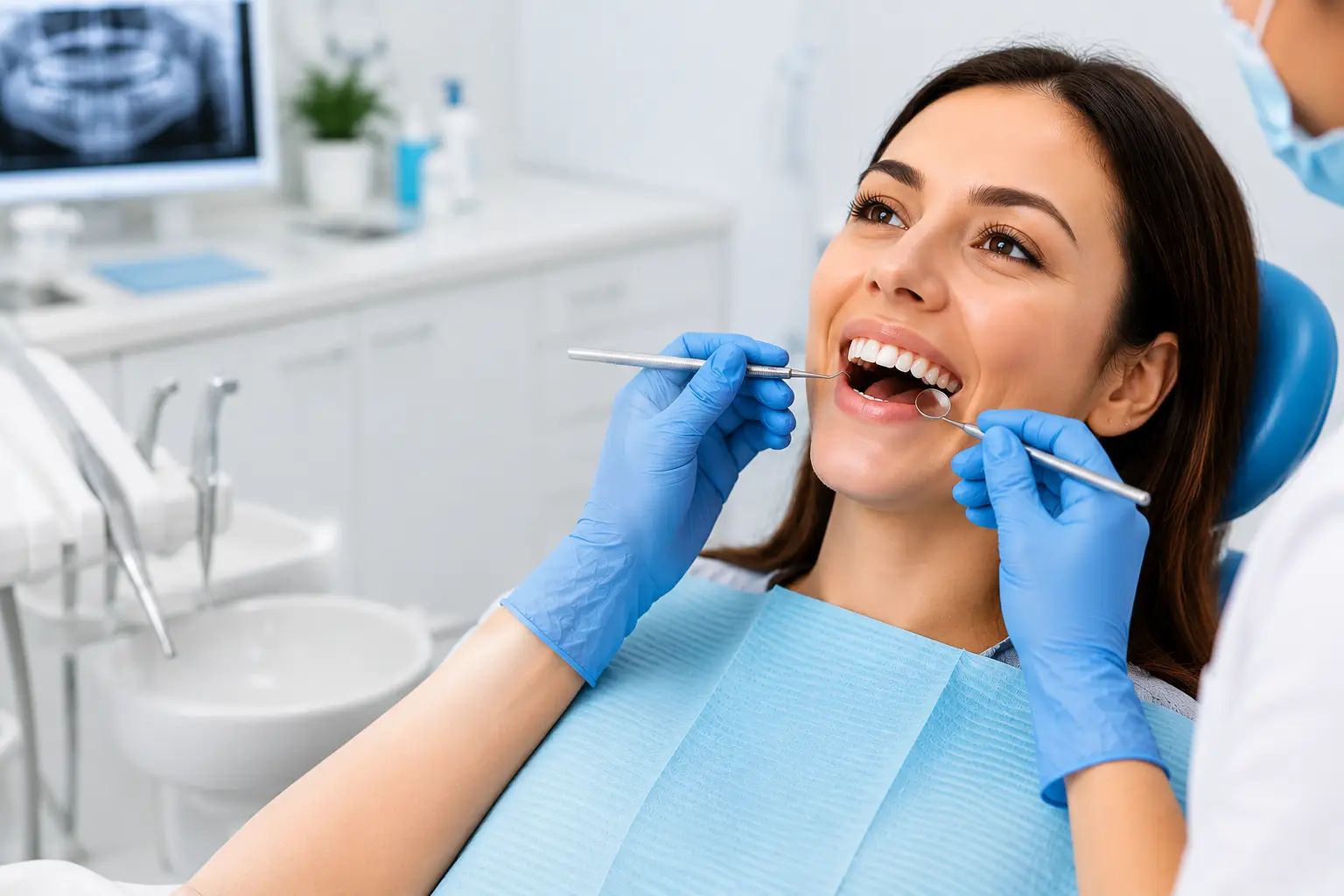
What to Expect During a Professional Cleaning
Examination
Your hygienist or dentist will start by examining your teeth, gums, and surrounding tissues for signs of cavities, inflammation, or areas to watch. This is where small issues get caught early.
Plaque and Tartar Removal
Polishing
Your teeth are polished with a gritty paste that buffs away surface stains, leaving everything feeling smooth and clean.
Flossing and Home Care Tips
The appointment typically wraps up with professional flossing and personalized recommendations for your at-home routine. If there’s something you could be doing differently, this is when you’ll hear about it.
How Long Does a Dental Cleaning Take?
Most routine cleanings and exams take between 45 minutes and one hour. If you’re overdue or need a deeper cleaning, plan for a bit more time.
Staying on a consistent schedule tends to keep appointments shorter; less buildup means less to work through.
The Benefits of Keeping Up With Your Cleanings
Consistent preventive care does more than keep your smile looking good.
Research increasingly links oral health to overall systemic health, and the connection is more significant than most people realize. Studies have found associations between gum disease and elevated risk for heart disease, complications in diabetes management, and adverse pregnancy outcomes. The bacteria that drive oral infections don’t always stay in your mouth. Keeping your teeth and gums healthy is one of the most straightforward things you can do for your overall health.
Regular cleanings can help you:
- Significantly reduce your risk of gum disease and decay
- Catch dental problems before they require more involved (and expensive) treatment
- Maintain fresher breath and a brighter smile
- Support your overall health, not just your teeth
Prioritize Your Oral Health
Whether you’re due for your regular six-month visit or haven’t seen a dentist in longer than you’d like to admit—no judgment here. At Garrett Family Dental, we’re here to meet you where you are and help you build a routine that actually works for your life.
The good news about preventive care is that it compounds. Every cleaning you keep makes the next one easier, and the habits you build now protect your smile for years to come.
Browse our preventive care services or reach out to schedule your cleaning. Your future self will thank you.
Visit us at garrettdental.com or contact us here to schedule your next appointment.